A simulation, a team prototype and an operations-research study. Here’s what I contributed and what the work showed.
From the confirmation studyRESEARCH
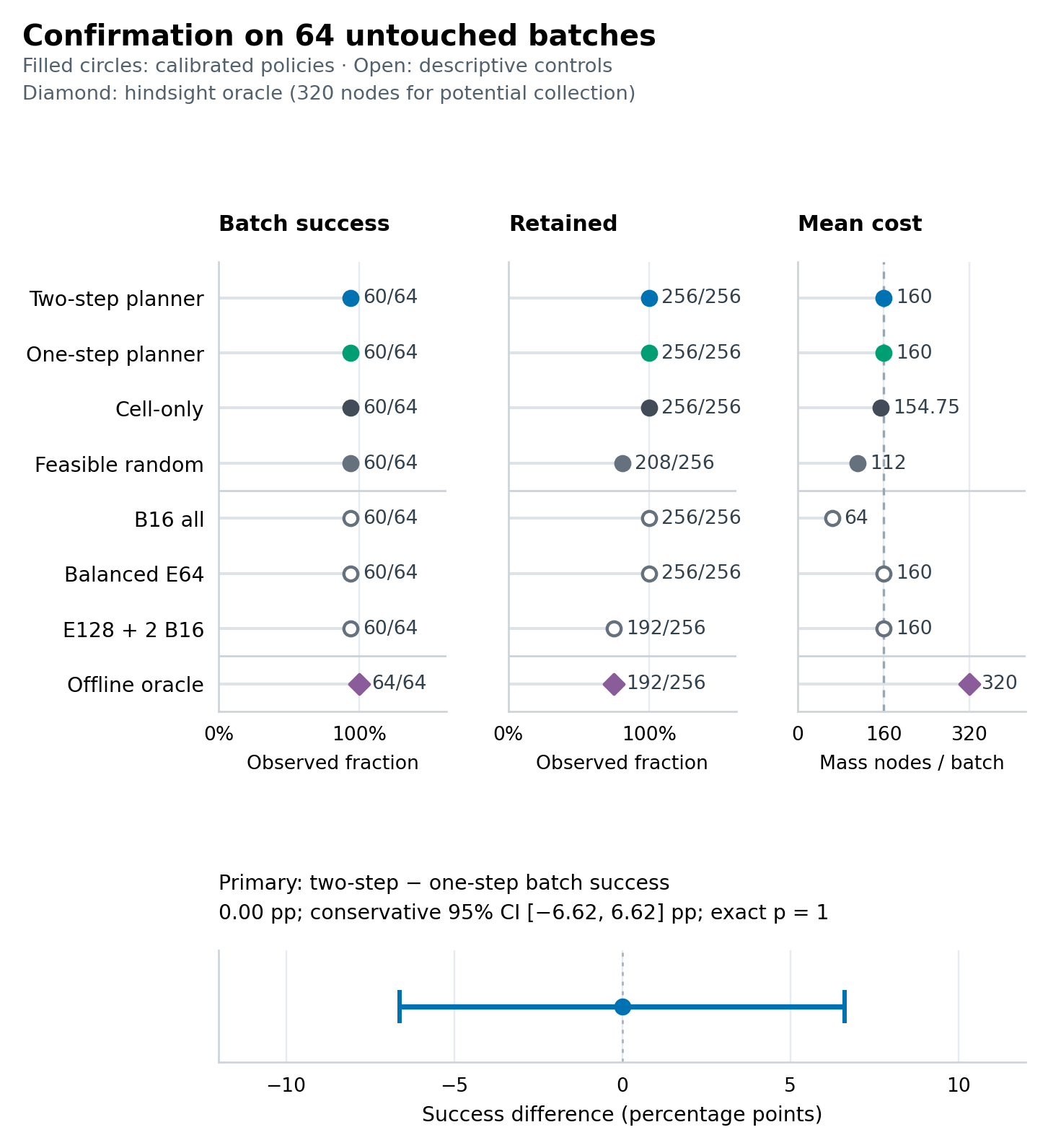
VIEW FULL SIZE ↗Original figure. Four policies each reached 60/64 successful batches; computation and retention differed.COMPUTATIONAL ASTRONOMY · Conditional simulation study
I set up the simulation, separated calibration from confirmation, and compared ways to allocate computation.
WHAT HAPPENEDThe cheaper control matched the observed success count. More computation did not establish an advantage in this conditional study.
Inside the AquaSentry prototypePROTOTYPE
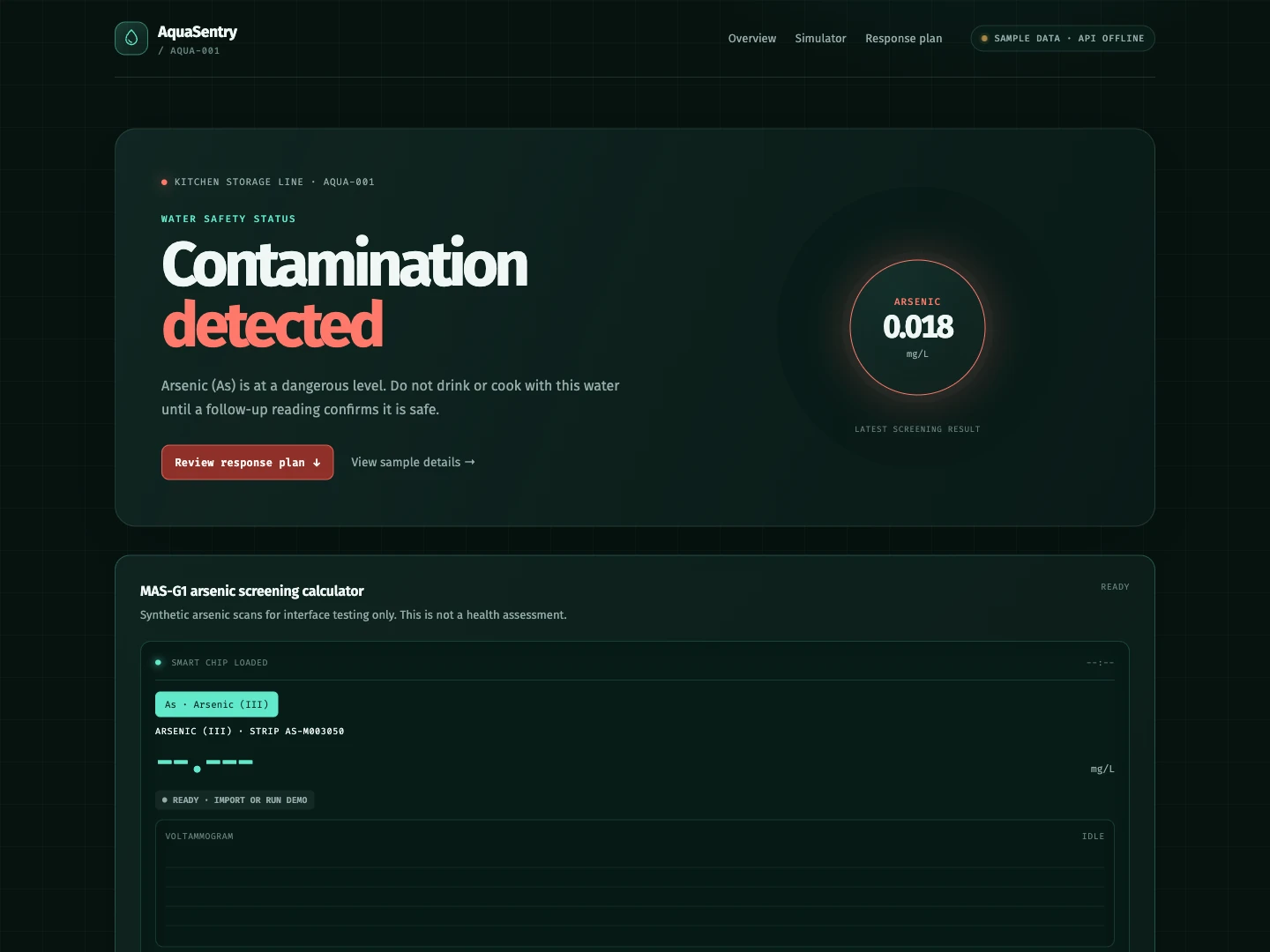
VIEW FULL SIZE ↗Dashboard capture using sample data. The readings shown are for interface testing, not field measurements.ENVIRONMENT × SYSTEMS · Team project · software prototype
I managed the project with a team of juniors at my school, contributed to hardware and software, and worked on the finances, pitch and presentation.
WHAT HAPPENEDThe software makes readings traceable and missing data explicit. Independent field validation remains open.
From the validation resultsRESEARCH
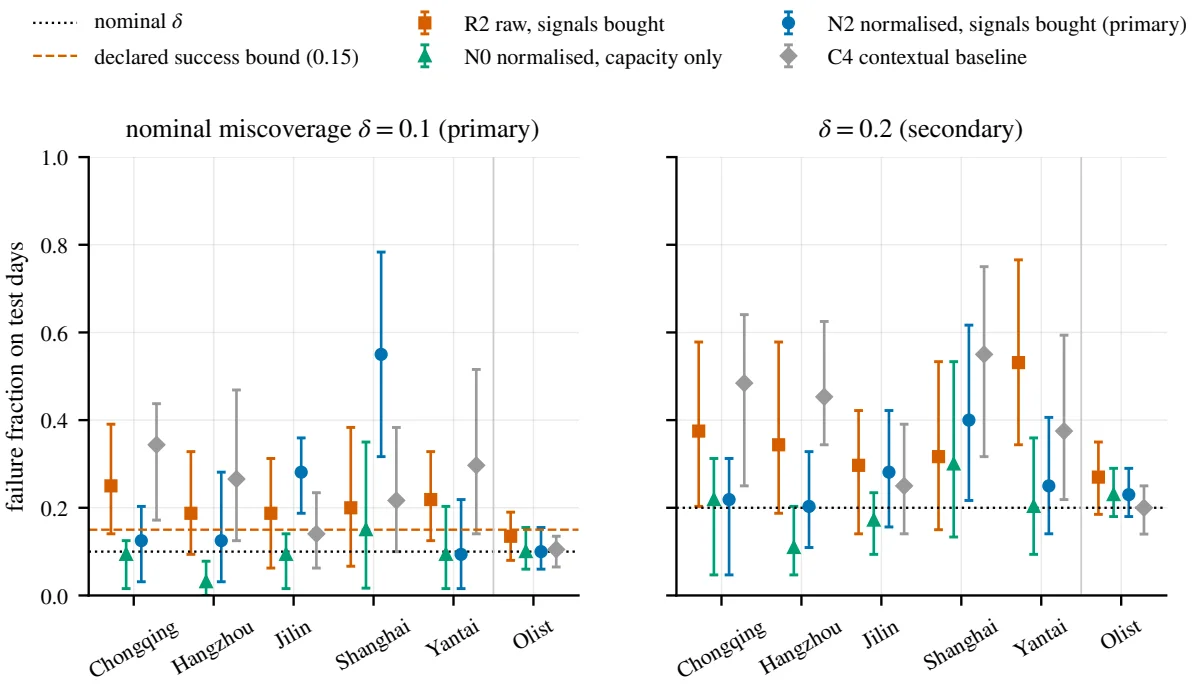
VIEW FULL SIZE ↗Original manuscript figure. The LaDe pickup test met the criterion in three of five cities; the declared target was four.OPERATIONS RESEARCH · Research manuscript · ongoing validation
I wanted to understand who gets left out of financial advice. This paper asks whether robo-advisors could widen access, and what protection people would need when they use them.
A page working on one screen tells you very little about the next. I wrote this at Quash to explain how to choose useful browser tests, from touch interactions to the layouts people actually see.
I wrote this as a student trying to weigh what technology adds to a classroom against what it can interrupt. Better access, distraction and dependence all belonged in the same conversation.